
DABV in commercial greenhouses
DABV operates externally on hydronic heating systems and irrigation lines in commercial greenhouses. At Nams Tomato, annual district heating cost has been reduced by 20.0%.
Benefits
One coupled phenomenon, three expressions
Mineralisation, biofilm and microbubbles are not three separate problems that occur simultaneously. They are one coupled phenomenon with three expressions. DABV is mounted externally on the pipe surface and operates alongside existing filtration, softening, UV disinfection and chemical dosing.
ENERGY REDUCTION
Lower Energy Consumption
lower operating cost
Biofilm and mineral deposits insulate heat exchange surfaces and reduce energy efficiency. DABV mobilizes accumulated deposits, which the system carries away through normal operation. At Nams Tomato, district heating cost has been reduced by 20.0%.
10–20% average reduction in water-related energy consumption
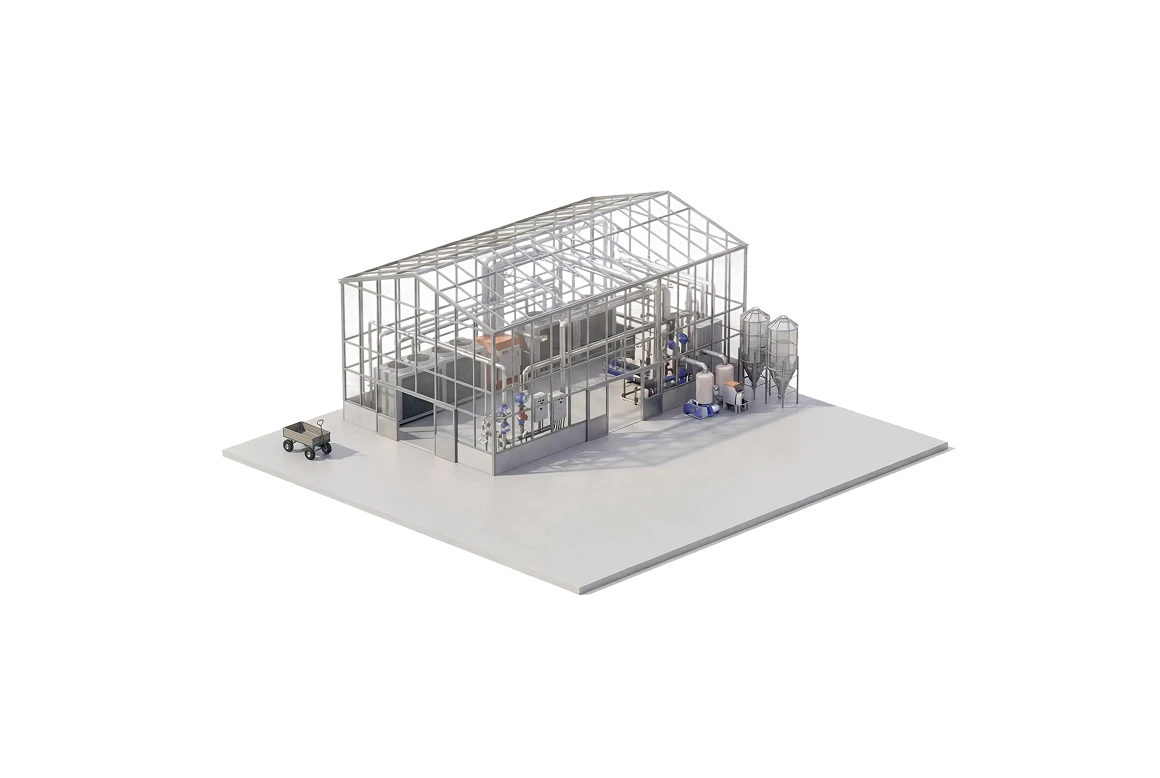
EXTERNAL INSTALLATION
Operates alongside
existing water systems
DABV is mounted externally on the pipe surface. It operates passively alongside filtration, softening, UV disinfection and chemical dosing. The host system's existing service schedule and equipment are unchanged.
75% longer lifetime for technical components
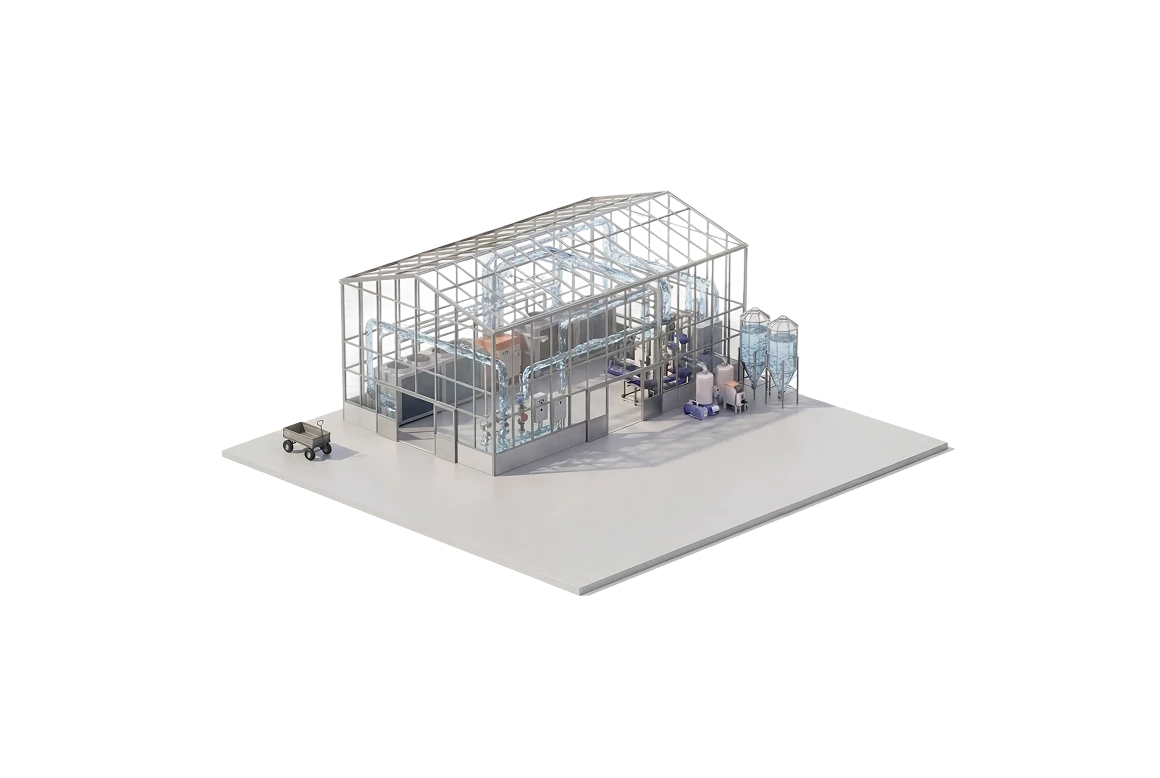
PATHOGEN REDUCTION
Lab-documented reduction in
P. aeruginosa
An independent study by Nofima AS in 2024 documented a 90% reduction in Pseudomonas aeruginosa, a chlorination-resistant biofilm pathogen, after 24 hours of treatment.
90% reduction in biofilm and pathogens (e.g., E. coli)
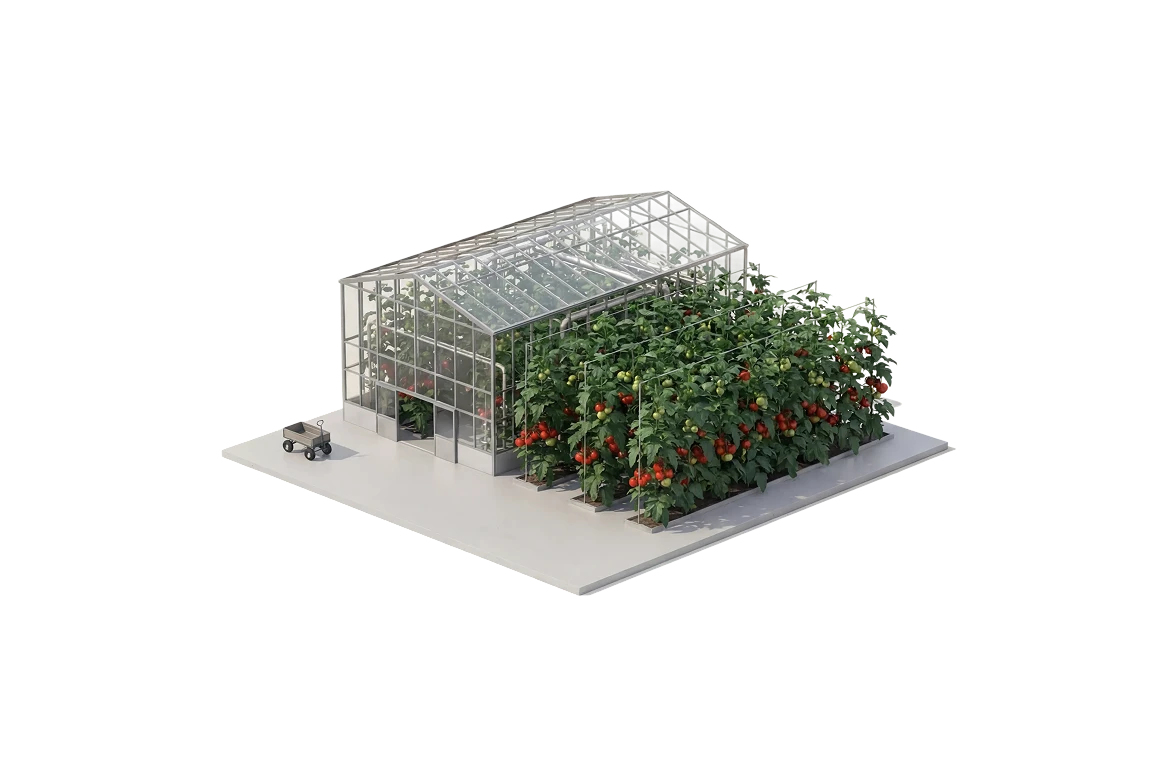
PASSIVE OPERATION
No power, no chemicals,
no consumables
DABV operates without electricity, chemicals or consumables. Mounted externally on the pipe surface, the device runs continuously. The host water system's existing service schedule is unchanged.
30% REDUCTION IN CHEMICAL DOSING
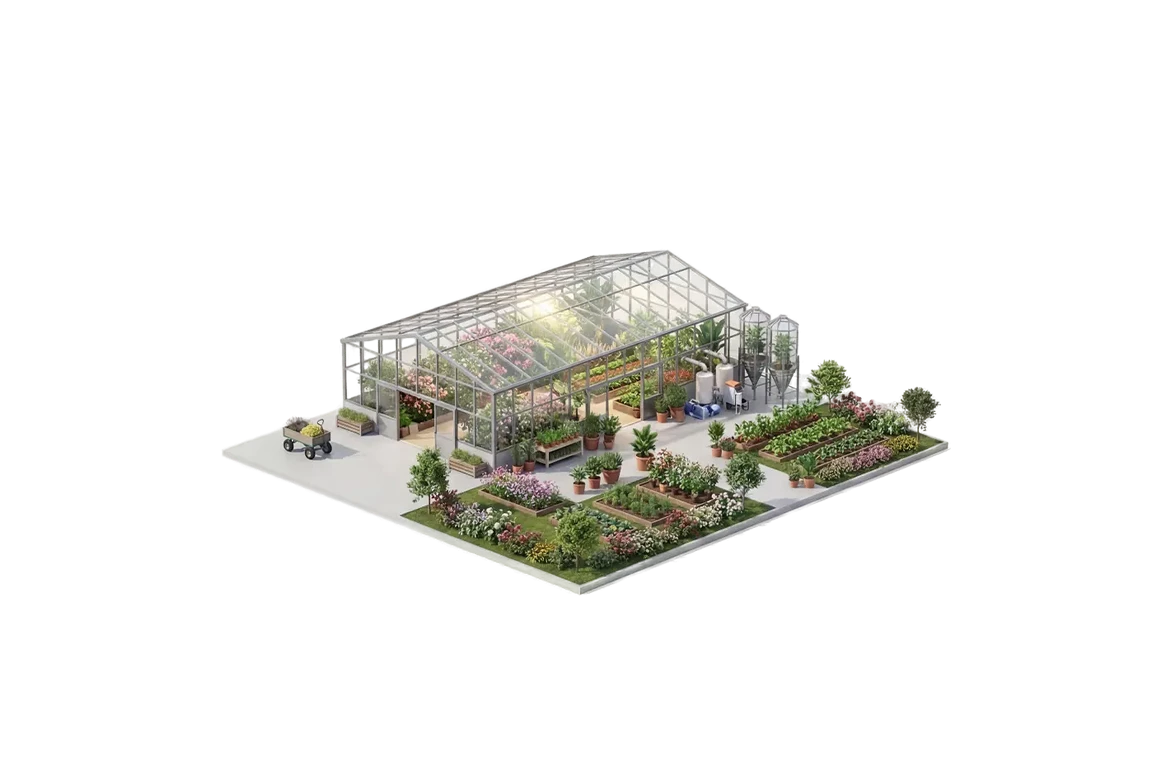
DABV in commercial greenhouses
Heat transfer reduced by deposit accumulation
Untreated systems lose 15%-25% of design efficiency over fifteen years. Deposits accumulate on heat exchanger surfaces from the day a system is commissioned, and the energy penalty is continuous.
Chemicals add cost and complexity
Inhibitors, biocides and dispersants appear monthly in the operating budget. Around them sit SDS handling, spill containment and contractor access, all part of the compliance load.
Operational downtime is costly
Service intervals shorten as deposits accumulate. Filter loading, cleaning cycles and inspection time grow with system age. In commercial greenhouses, this directly affects production schedules.

sustainability
Support your
sustainability commitments
DABV enhances internal water performance to reduce energy demand across heating, cooling, and industrial systems.
Lower energy consumption directly translates into measurable CO₂ reductions — without chemical treatment or infrastructure modifications.
Lower energy consumption directly translates into measurable CO₂ reductions — without chemical treatment or infrastructure modifications.
DABV works within existing systems.
DABV is mounted externally on existing piping. The host system requires no retrofit, no new infrastructure and no change to operating routines. The unit operates passively from installation onward.
No power, no chemicals, no consumables.
The unit is a passive component on the supply line. It draws no power, adds nothing to the water and contains no parts that wear or expire.
External installation on existing piping.
Installation takes place on the outside surface of the existing pipe. The pipe is not cut, drained or modified. The host system continues to operate during fitting.
Passive component.
The unit is a passive component, on the same maintenance principle as a check valve or a strainer body: no moving parts, no power input, no consumables. Service intervals are set by the host system, not by the device.

In partnership with NAMS, DABV validated system performance under real-world operating conditions.
20% reduction in district heating energy consumption
-20%
90% reduction in biofilm and pathogens (e.g., E. coli)
-90%
30% reduction in chemical dosing in closed hydronic loops
-30%
Schedule a Technical Assessment.
The assessment evaluates the existing system, water chemistry and integration points.
Oops! Something went wrong while submitting the form.